WHEN THE VESSEL IS THE GRID
Marine Power
Hydrogen fuel cell power for vessels operating under class‑society oversight — from passenger ferries to commercial cargo ships. A vessel is a closed, self‑contained power environment, and reliability sits at the centre of every operational decision. Our systems are engineered for that context, from the fuel cell through to the vessel’s electrical architecture.
A vessel carries its power system into every condition it encounters. There is no shore grid to support it and no external substation to stabilise a fault. The system must form its own grid, remain stable through motion and vibration, and operate consistently in salt, humidity and variable load — all within a confined machinery space.
Marine power requires a complete system approach. Hydrogen in an enclosed space places clear requirements on ventilation, gas detection and classification. Storage and bunkering, power‑conversion tie‑ins, and battery integration for load transients and black‑start each introduce interfaces that must be engineered, verified and accepted by class. Together, they define how the vessel operates and how it is certified.
For ship owners and operators, the power system and the safety case are delivered as one integrated piece of engineering.
MARINE POWER
Applications
-
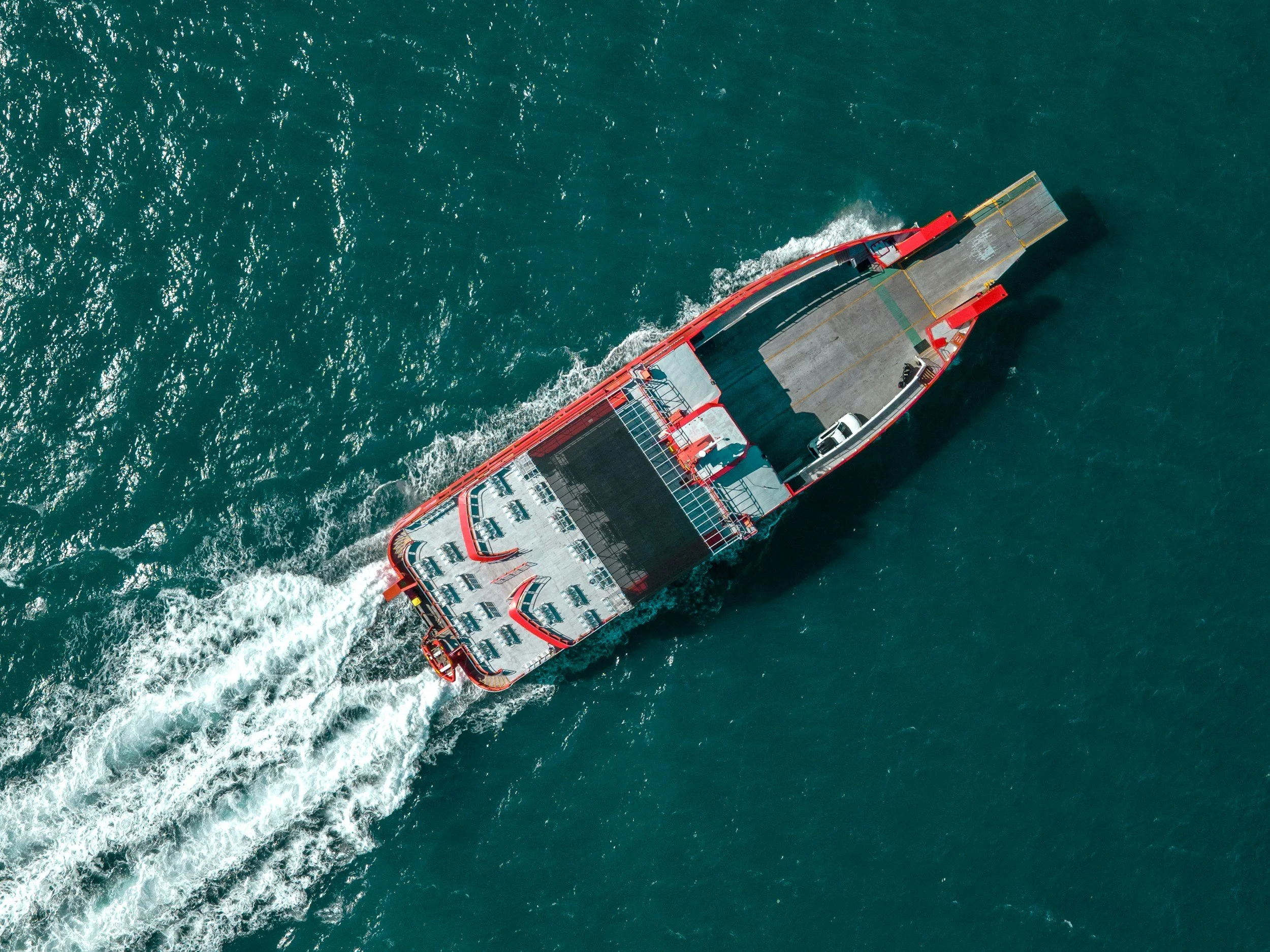
Fixed routes, predictable duty cycles and shore-side bunkering make short-route ferries an early practical fit for hydrogen power. Energys engineers the fuel cell, storage and battery system around a known operating profile, sizing for peak demand and turnaround time while keeping the gas hazard contained within a classified, well-ventilated space.
-
Larger vessels carry higher and more variable power demand across propulsion, auxiliary and hotel loads. Energys designs fuel cell and battery architectures that hold up under sustained duty and long endurance, integrating with the vessel's electrical distribution and managing the storage, conversion and safety interfaces that scale brings.
-
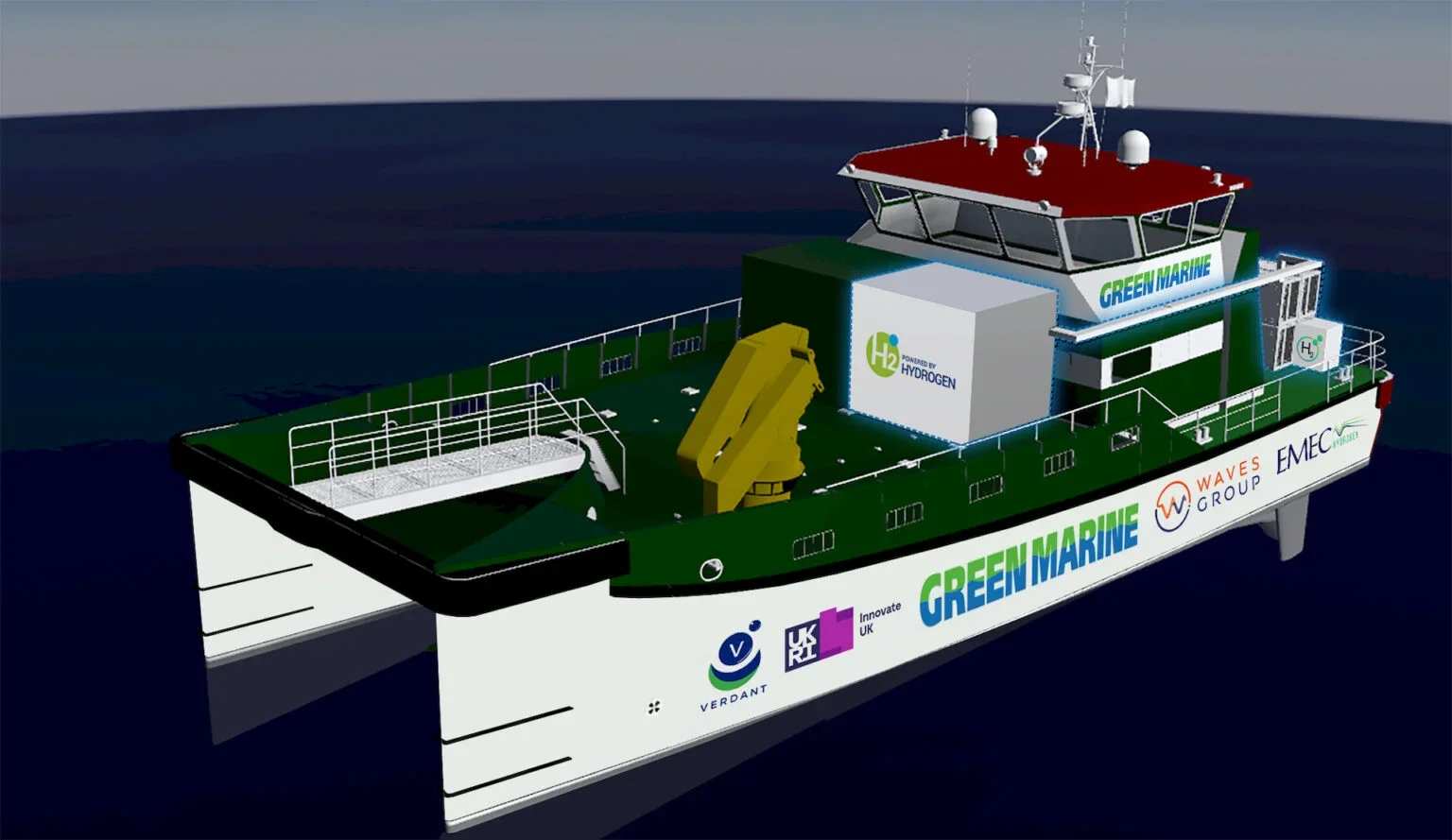
Crew transfer and support vessels run demanding, high-cycle duty in exposed offshore conditions. Energys engineers hydrogen power for that profile — rapid load change, frequent starts and unattended safety systems — with the hazardous-area classification and gas detection an enclosed, working deck environment requires.
WHAT ENERGYS DELIVERS
From feasibility
to sea trials
Energys takes a marine power system from feasibility through detailed design, integration, commissioning and operational handover. That covers the fuel cell system, high-pressure hydrogen storage and handling, balance-of-plant, battery energy storage, and the power conversion and control that tie the system into the vessel's electrical architecture — engineered as one integrated system rather than assembled from parts.
Running alongside that is the safety and regulatory work that marine hydrogen depends on. Energys carries out hazardous area classification, HAZID, HAZOP and FMEA studies, gas dispersion and consequence modelling, and develops the approval pathway with the relevant class society and flag-state authority. The safety case is built as the system is designed, not bolted on once the design is fixed.
Delivered Projects
-
![Green Marine UK Hydrogen boat project render]()
Green Marine UK - crew transfer vessel
A 270 kW hydrogen fuel cell power system designed as part of a hydrogen fuel cell and battery retrofit for crew transfer vessels servicing offshore wind farms in UK waters.