WHEN RELIABILITY IS THE SPECIFICATION
Stationary
Power
Stationary power is judged by one thing: whether it delivers when the grid doesn't. That means starting on its own, running unattended for days, carrying critical load through every transfer without a flicker, and doing it in places nobody visits until something goes wrong — a hilltop mobile tower, a remote process plant, a data hall where seconds of interruption carry a cost.
Energys designs, manufactures and commissions fuel cell power systems built for that duty. Every system arrives as a complete, certified package: hydrogen storage and handling, power conversion, battery integration, controls and safety systems engineered together, classified for hazardous areas, and approved by the relevant regulatory bodies before it is commissioned.
From 10 kW backup units standing in for diesel at telecommunications sites to the megawatt-scale systems we have delivered for remote and off-grid duty, Energys builds stationary power for telecommunications, industrial facilities, microgrids and grid-independent sites, and for the data centres now looking beyond diesel for resilience.
STATIONARY POWER
Applications
-
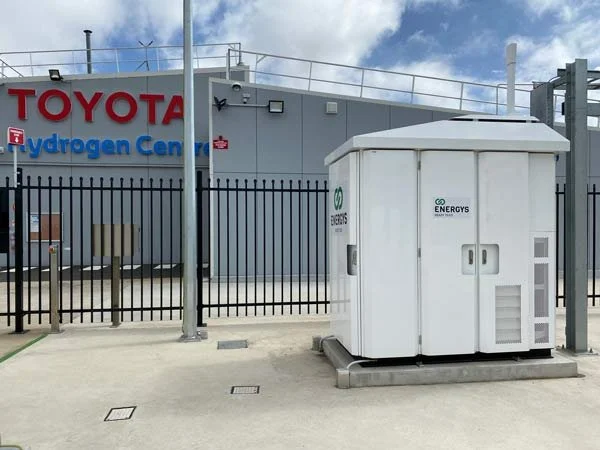
Direct replacement for diesel standby generation at critical infrastructure sites. Systems start automatically on grid loss, carry the load through transfer on integrated battery storage, and run for days on stored hydrogen - certified for hazardous areas and delivered as repeatable multi-site rollouts, as with Australia's first commercial hydrogen backup deployment for the mobile network.
-
Autonomous power for sites with no grid, or where the grid can't be relied on. Fuel cell generation, battery storage, power conversion and microgrid control engineered as one system, with black-start capability and grid-forming or grid-following operation - from containerised units to the megawatt-scale system Energys shipped and commissioned in the Saudi desert in seven days.
-
On-site generation inside operating industrial and hydrogen production facilities, where the system must work with the plant rather than beside it. Direct connection to process hydrogen, integration with site electrical and control infrastructure, hazardous area classification, and the gas-device and electrical approvals required to operate - delivered inside live plants in Queensland and Western Australia.
-
Fuel cells and battery storage engineered into backup and prime power architectures for operators looking beyond diesel. The same certified, unattended-duty platforms proven at telecommunications and industrial sites, configured for the transfer performance, runtime and redundancy that continuous operations demand.
WHAT ENERGYS DELIVERS
From duty specification to operational handover
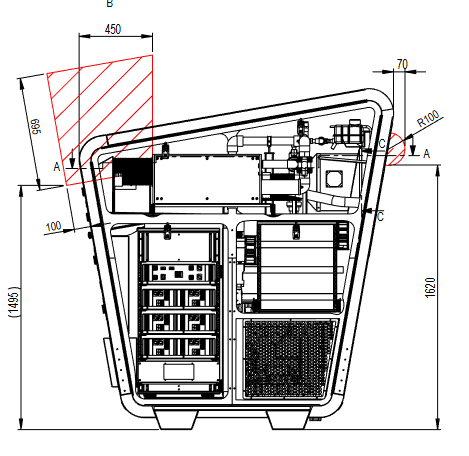
Energys acts as design authority, manufacturer and system integrator, with responsibility for the whole system rather than the fuel cell alone. Every project starts with the duty — load profile, runtime, transfer performance, site conditions and grid interface — and from that we develop the architecture: hydrogen storage and handling, balance-of-plant, power conversion, battery integration, control philosophy and interlock logic, engineered as one package rather than assembled from parts.
Systems are built and factory-tested in our own facility as standardised products or engineered configurations, then shipped, installed and commissioned on site by Energys engineers, with site acceptance testing and operator training as part of handover. We have delivered this way across Australia, the Middle East and Europe, to remote sites with no road, no grid and no water.
The safety and regulatory work runs alongside the engineering from day one: hazardous area classification, participation in HAZOP and quantitative risk assessment, functional safety, and the certification pathway for whichever jurisdiction and classification regime the system is deployed into — gas device, electrical and marine class approvals included.
After commissioning, Energys stays with the system, providing operational support, scheduled maintenance and service agreements across the fleet we have delivered.
Delivered Projects
-
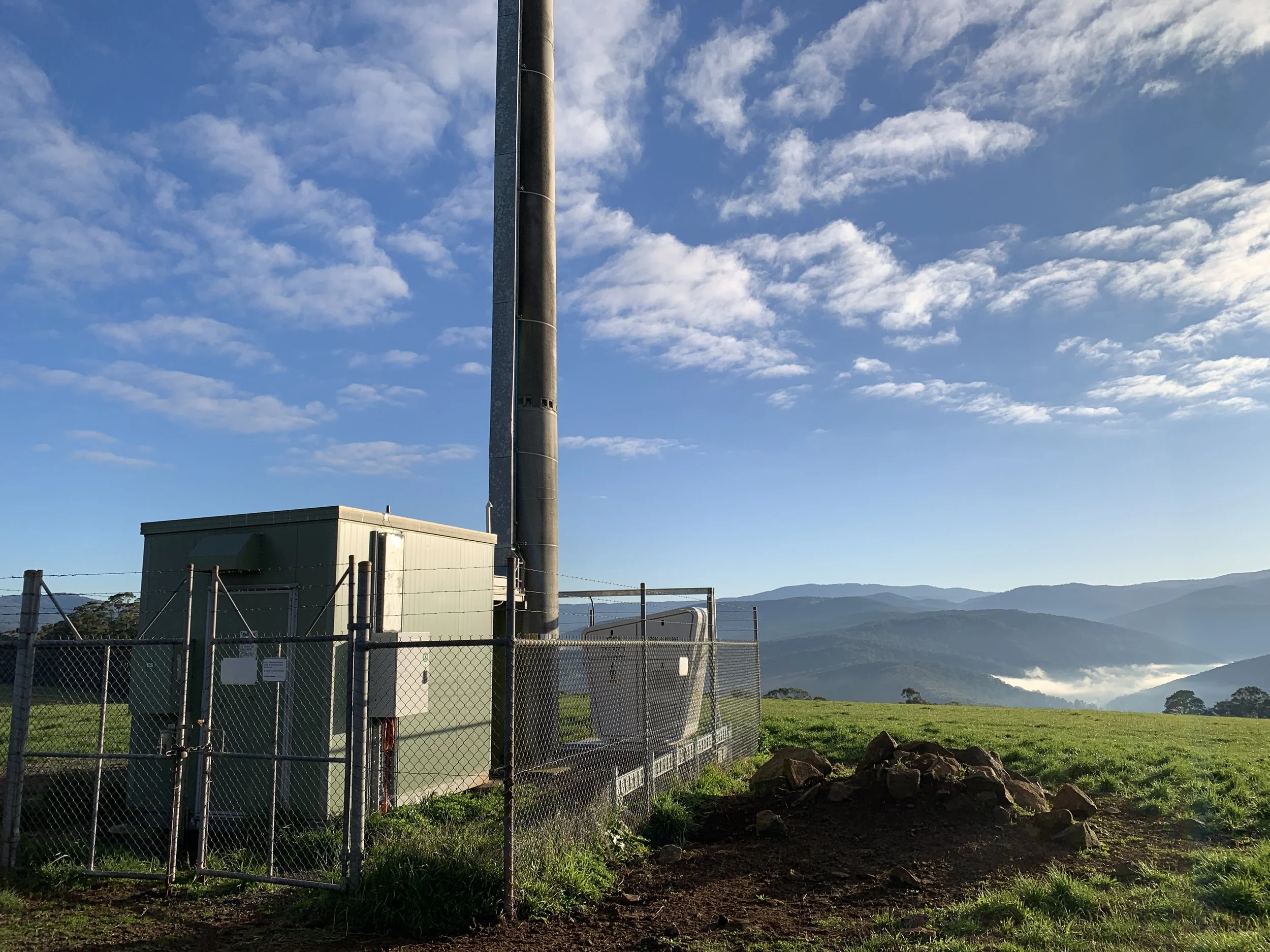
![A fenced outdoor industrial area with a small building, tall smokestack, and electrical box, set against mountains and a partly cloudy sky. Telstra remote site where Energys installed a 10 kW backup hydrogen power system to help with critical power.]()
Backup Power - Telstra
10 kW hydrogen fuel cell backup systems deployed across regional Victorian telecommunications infrastructure. Standardised, multi-site, and recognised with the Engineers Australia Project of the Year Award 2025.
-
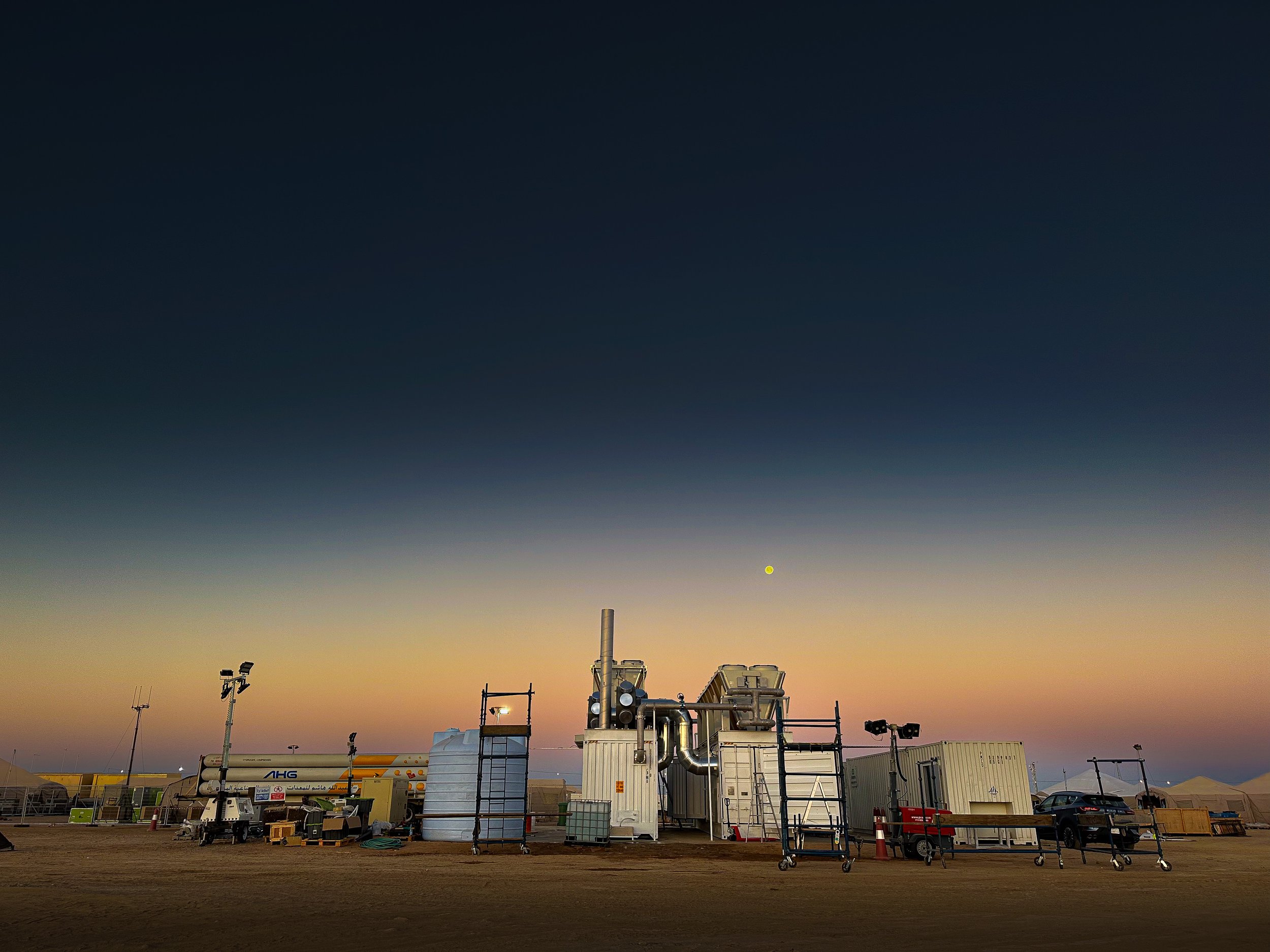
![View of industrial equipment and containers at an outdoor site during sunset, with a clear sky and distant mountains. This is the NEOM site in Saudi Arabia where Energys delivered a 1MW scale containerised power system.]()
Off-Grid Power - NEOM "The Line"
1 MW containerised hydrogen fuel cell power system, 27 fuel cell modules integrated with hydrogen handling, 216 kWh of battery energy storage and microgrid control. Manufactured in Australia, commissioned in Saudi Arabia.
-
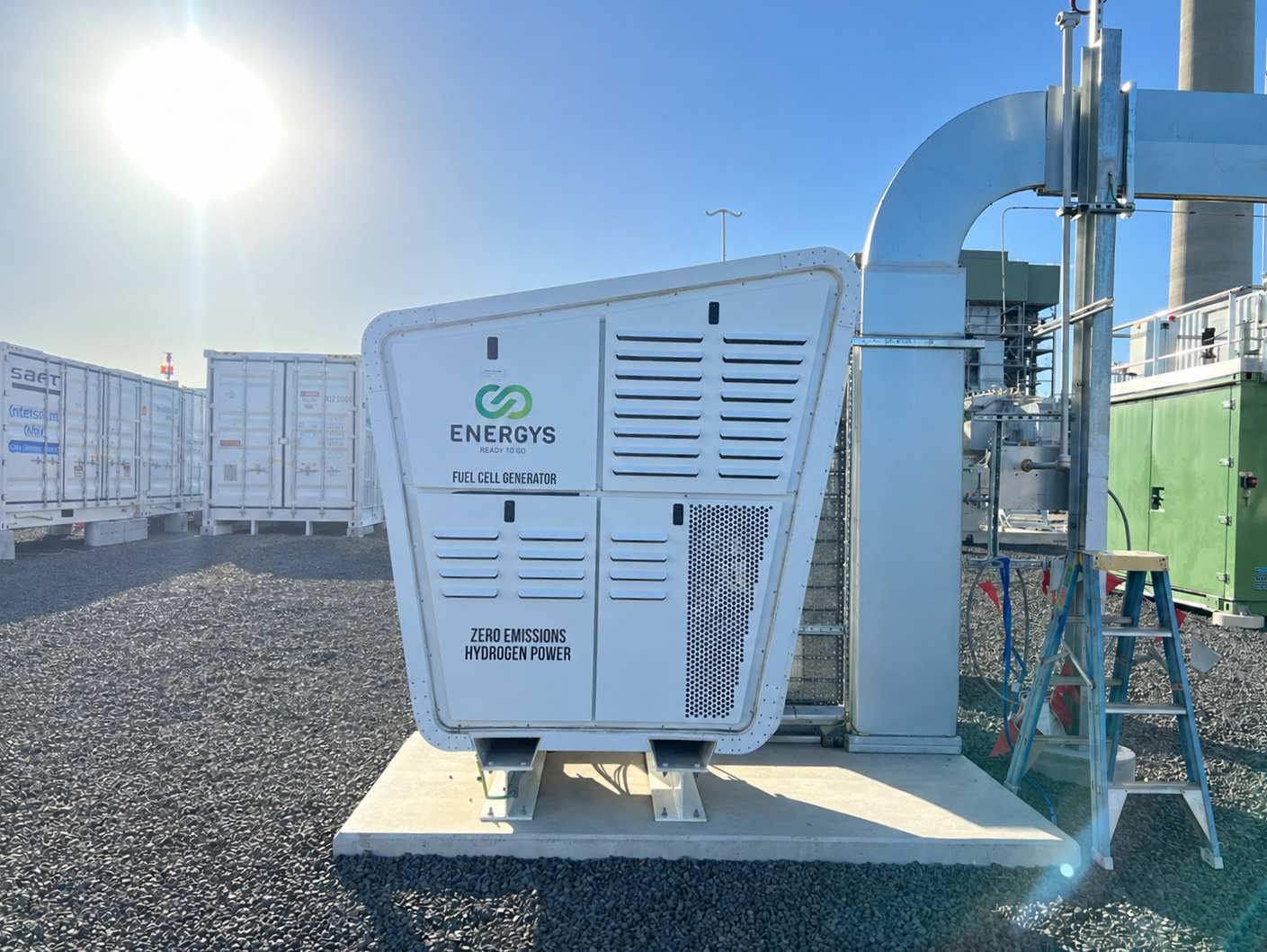
![CS Energy - 30 kW Hydrogen Fuel Cell Power System]()
Power Generation - CS Energy
Energys engineered a 30 kW configuration of its fuel cell power system for direct connection to the plant’s hydrogen supply and infrastructure, including electrical and control system integration with the site microgrid.
-
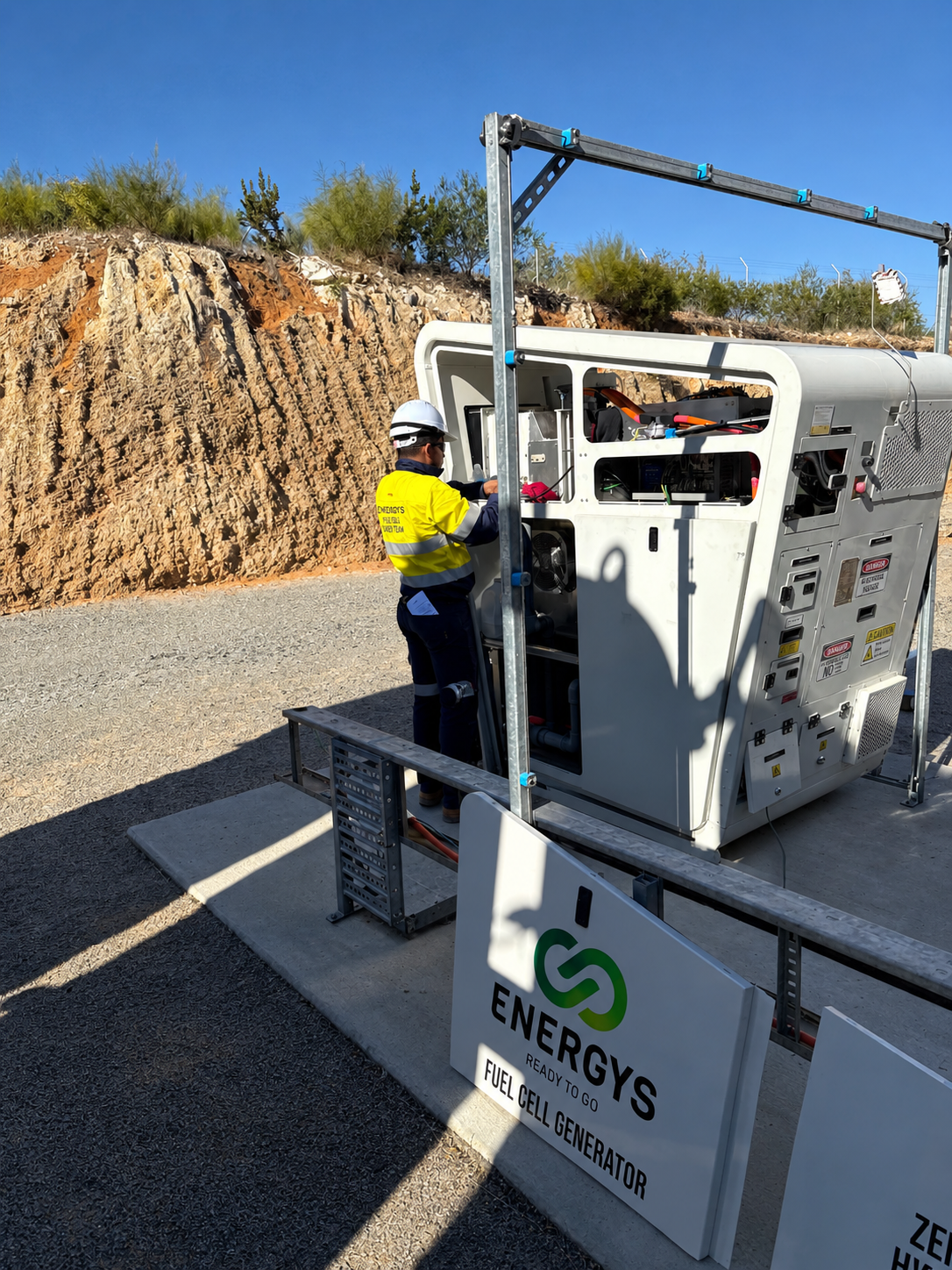
![A 10 kW PEM hydrogen fuel cell power system - hazer group energys - industrial power]()
Industrial Power - Hazer Group
A 10 kW PEM hydrogen fuel cell power system, developed in-house as a standardised telecommunications- and industrial-grade product, configured here for three-phase AC output and installed within an operational hydrogen production facility.