WHEN THE PLANT IS ALREADY RUNNING
Production & Infrastructure
Alternative‑fuel and energy‑storage infrastructure has to fit into sites that are already operating. Production, compression, storage and dispensing are integrated into environments that have existing processes, existing hazards and existing regulatory obligations. Energys works as system integrator, design authority and EPC contractor to deliver infrastructure that aligns with how the site already runs.
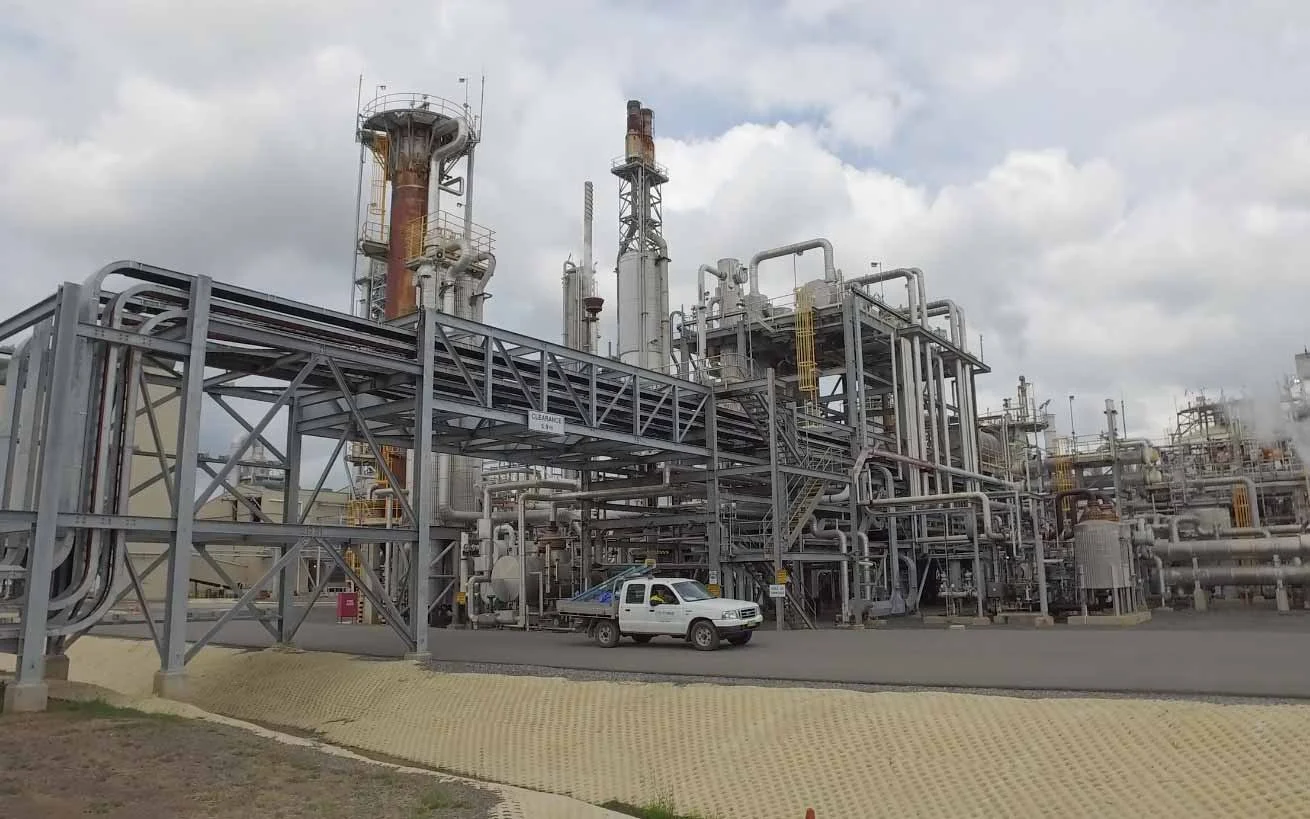
Most projects don’t start with a blank footprint. New equipment is added to plants that are producing, moving materials and managing risk every day. The layout, the tie‑ins and the allowable downtime are set by current operations long before engineering begins.
That makes the interfaces the critical part of the work. Production units, compressors, storage systems and dispensers are predictable technologies; the complexity comes from how they connect to a live site. New high‑pressure storage may sit beside running plant. Hazardous areas can overlap. Dispersion, thermal radiation and overpressure scenarios now involve neighbouring operations. Every electrical or process tie‑in has to hold under fault conditions. Classification, relief sizing, interlock logic and cause‑and‑effect all need to reconcile the new system with the one already in service.
For plant owners and operators, the equipment is only one element. The value lies in integrating it safely, efficiently and with minimal disruption to the operation that’s already there.
PRODUCTION & INFRASTRUCTURE
Applications
-
Electrolyser facilities from hundreds of kilowatts to megawatt scale: PEM integration, compression, storage, dispensing and site-wide electrical infrastructure. Energys develops the production architecture and manages the interfaces between new equipment and existing operations, carrying design authority from concept through to commissioning.
-
Compression, high-pressure storage and dispensing infrastructure for heavy vehicle and fleet refuelling. Energys delivers integrated facilities as EPC contractor — design, procurement, installation, commissioning and transition to operational readiness — with the safety-critical balance-of-plant engineered for daily dispensing inside an operating industrial environment.
-
Renewable hydrogen blended into gas networks, and the same engineering authority applied to ammonia, methanol, biogas and synthetic fuels. Energys manages electrical interfaces, balance-of-plant and commissioning within live network environments, extending its production capability across the power-to-X chain from production through to utilisation.
-
Hazardous area engineering authority for infrastructure entering, or already inside, live industrial sites. Energys handles classification, explosion protection, certified equipment selection and compliance remediation — including transitions from CE/ATEX to Australian IECEx — compiling the hazardous area dossier and coordinating stakeholders to reach compliant operation.
WHAT ENERGYS DELIVERS
From architecture
to operational readiness
Energys works as system integrator, design authority and EPC contractor across the production and refuelling chain. That covers process, electrical, instrumentation and control design; procurement and vendor coordination; construction and installation management; and commissioning through to operational handover. The work Energys owns is the interface work — tie-ins, balance-of-plant, power conversion, high-pressure storage and dispensing — the connections between systems where responsibility is easiest to lose.
Safety and regulatory engineering runs in parallel from the first study, not bolted on at the end. Hazardous area classification, gas dispersion and overpressure modelling, relief system design, functional safety, approval pathway development, and pressure, electrical and gas appliance certification are part of the same scope.
Delivered Projects
-
![Construction site with a crane lifting a prefabricated building section, workers in safety gear, and various construction equipment and materials.]()
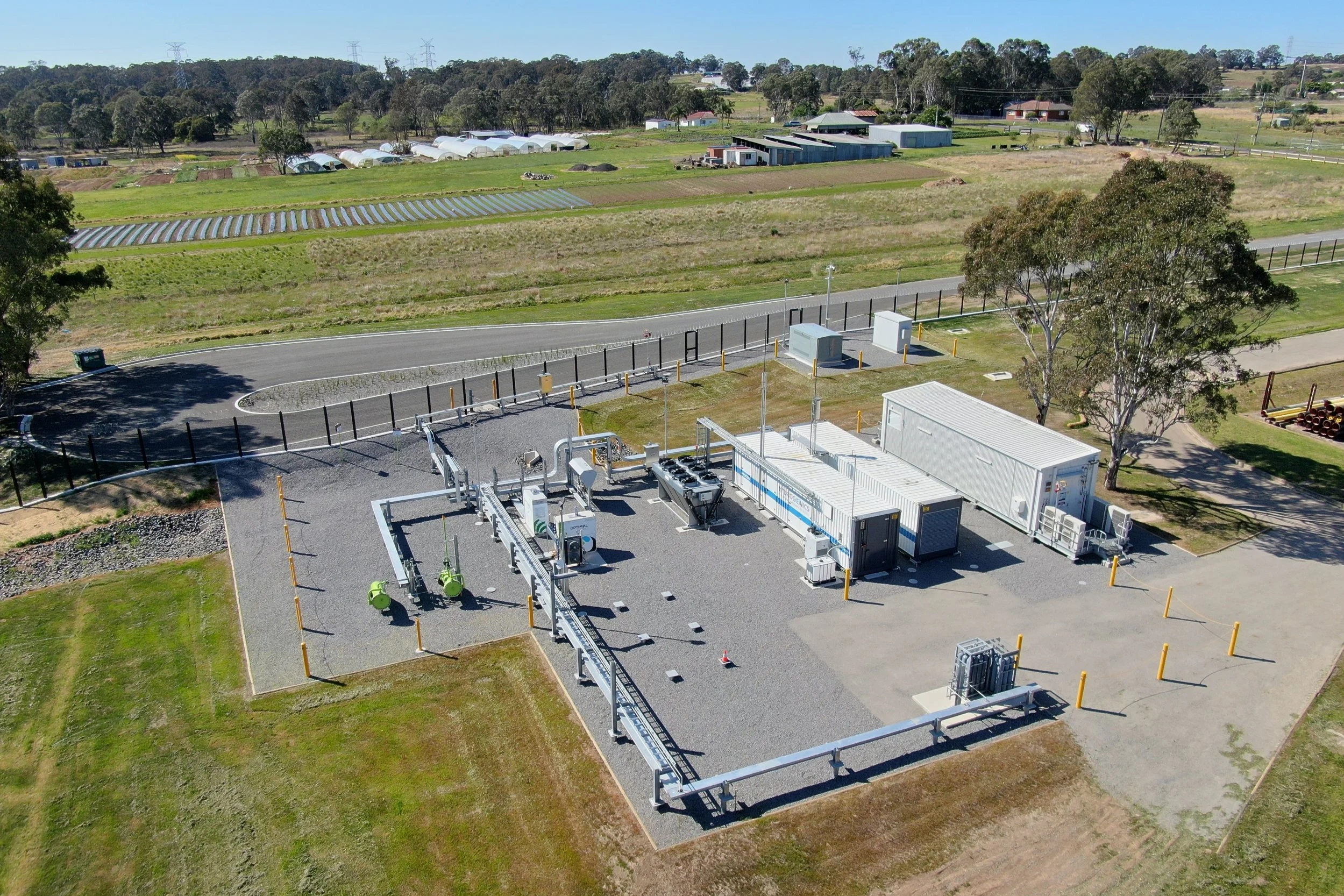
Power-to-Gas facility - Jemena
Turnkey delivery of a 500 kW PEM electrolyser within a 1 MW-enabled modular architecture, integrated into an operating gas network. Energys managed electrical interfaces, balance-of-plant and commissioning to support renewable hydrogen blending and future capacity expansion.
-
![A gas station with a white canopy, fuel pumps, and air conditioning units in the foreground. There are trucks, cars, and surrounded by trees, green grass, and a road with traffic in the background. SunHQ Ark Energy Hydrogen Hub Townsville Queensland.]()
Industrial Decarbonisation - Dyno Nobel
A renewable hydrogen facility concept developed to feed ammonia production at Dyno Nobel’s ammonium nitrate plant in Moranbah, Queensland. Feasibility study completed 2020. Published by ARENA, 2021.
-
![MW Scale Hydrogen Production Facility Render]()
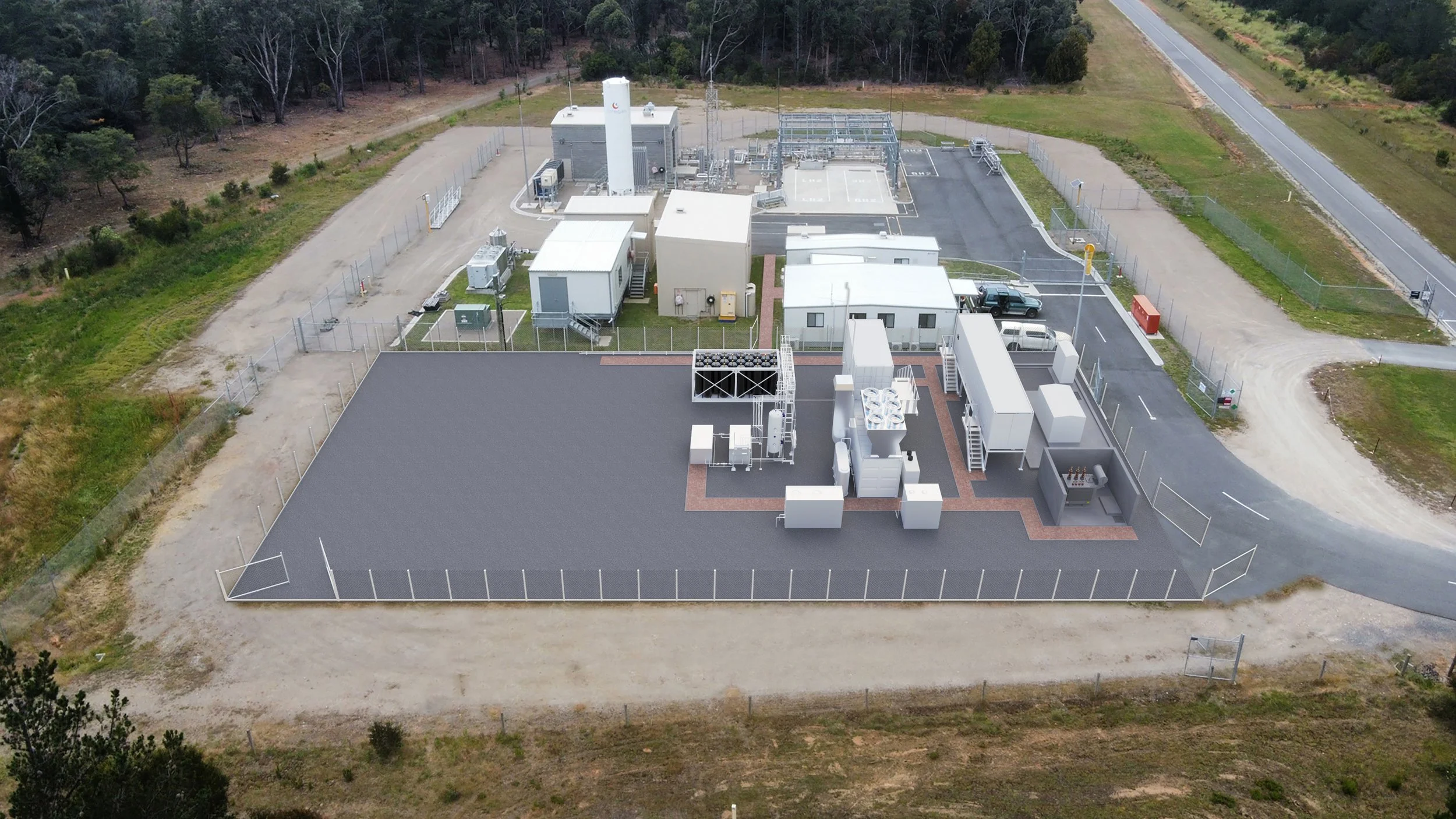
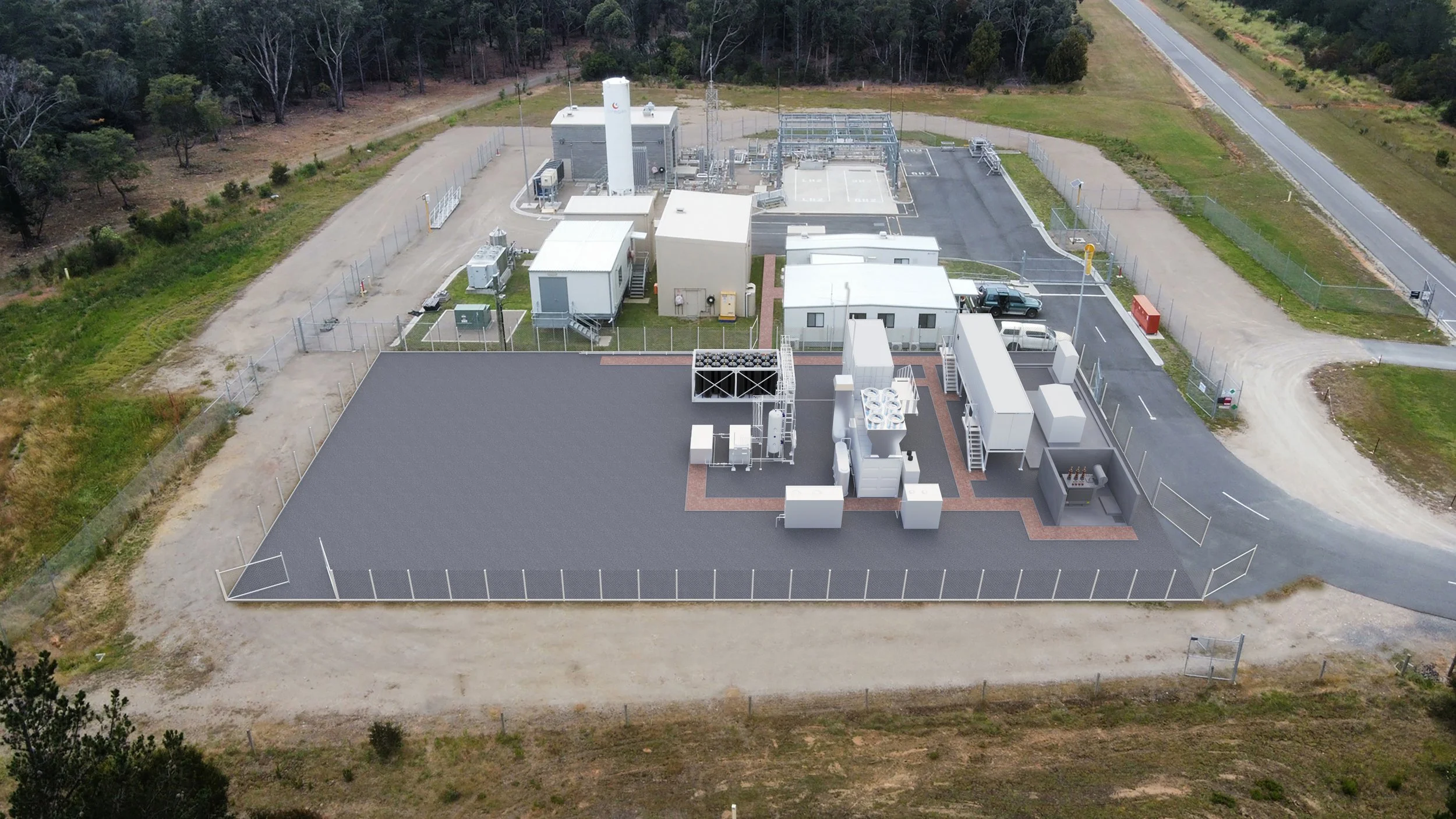
Green hydrogen production and supply
A grid-supplied green hydrogen production facility designed for business-to-business industrial supply, developed adjacent to an existing hydrogen liquefaction plant. At its core is a 1 MW PEM electrolyser producing hydrogen at 99.999% purity.